%20(1).webp)



SUA PARCEIRA EM FINANCIAMENTO COMERCIAL


Date
July 21, 2026
Read Time
6 min read
Author
Goflow Insights Team
Share this article
International freight plays a critical role in global trade, but it often comes with complex challenges. From regulatory requirements to transportation coordination, businesses must navigate multiple moving parts to ensure shipments arrive safely and on time. Understanding these complexities is the first step toward building a more efficient logistics strategy.
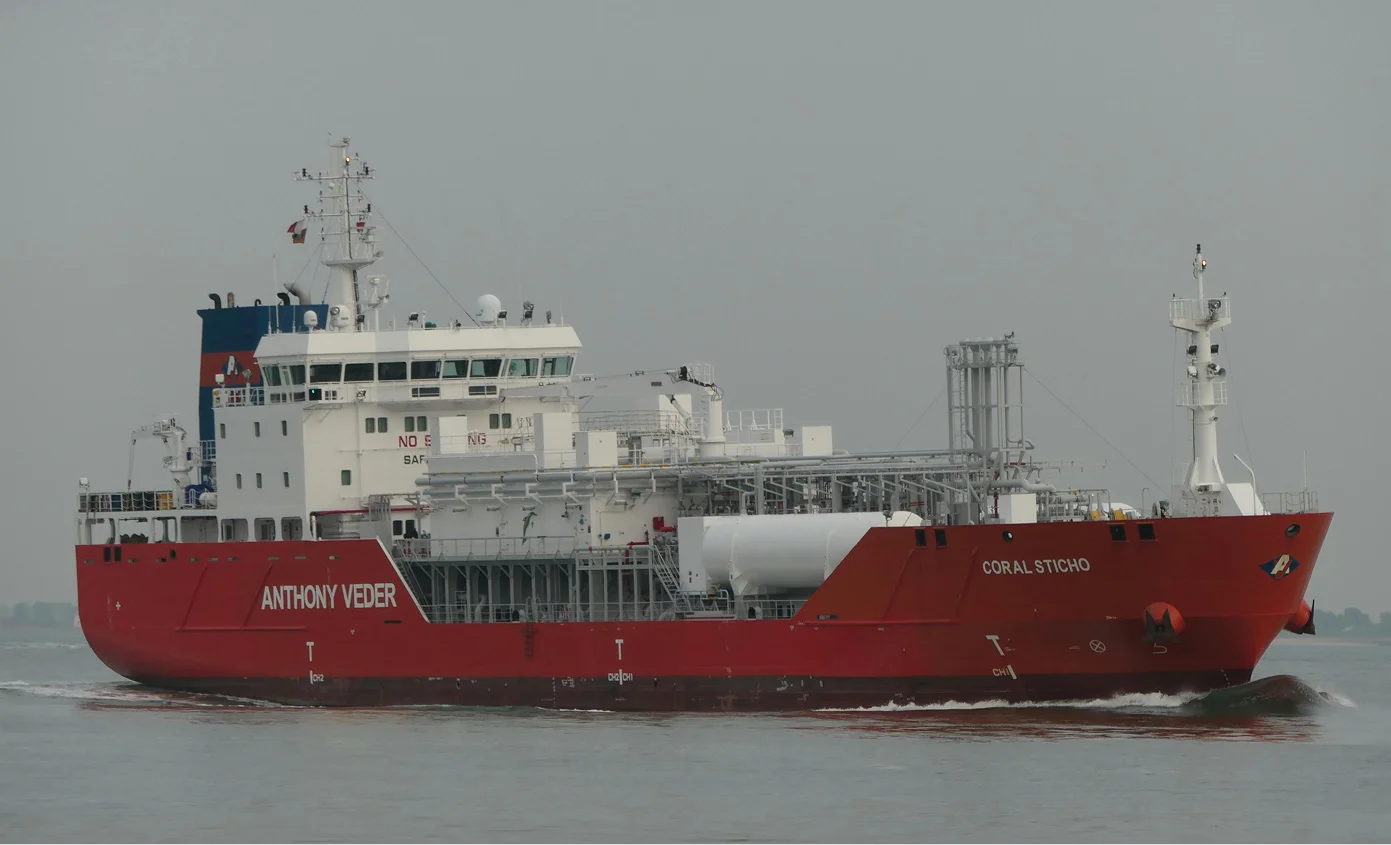
Cross-border shipping involves more than moving goods from one location to another. Businesses must account for customs regulations, documentation accuracy, port congestion, and varying transit times. Without proper coordination, these challenges can lead to delays, increased costs, and reduced customer satisfaction.
Effective logistics planning helps minimize these risks by ensuring compliance, optimizing routes, and maintaining clear communication throughout the shipping process.
Strategic planning allows businesses to align their shipping operations with broader business goals. By selecting the right transportation mode—air, sea, or land—companies can balance speed, cost, and reliability. Planning also improves visibility, making it easier to track shipments and respond quickly to unexpected disruptions.
A well-structured logistics strategy turns complexity into a manageable, predictable process.
Each freight method offers unique advantages. Air freight is ideal for time-sensitive shipments, while sea freight provides cost-effective solutions for larger volumes. Land transport ensures reliable regional and cross-border deliveries. Understanding your cargo type, delivery timeline, and budget helps determine the most effective shipping approach.
Partnering with an experienced logistics provider ensures these decisions are informed and optimized.
Modern logistics relies heavily on technology to provide real-time tracking, transparent communication, and data-driven decision-making. Digital tools allow businesses to monitor shipments, anticipate delays, and adjust plans proactively. Increased visibility builds trust and reduces uncertainty throughout the supply chain.
Resilient supply chains are designed to adapt to change. Diversified routes, reliable logistics partners, and proactive planning help businesses remain flexible in dynamic global markets. By focusing on long-term logistics strategies, companies can maintain continuity even during periods of disruption.
.webp)